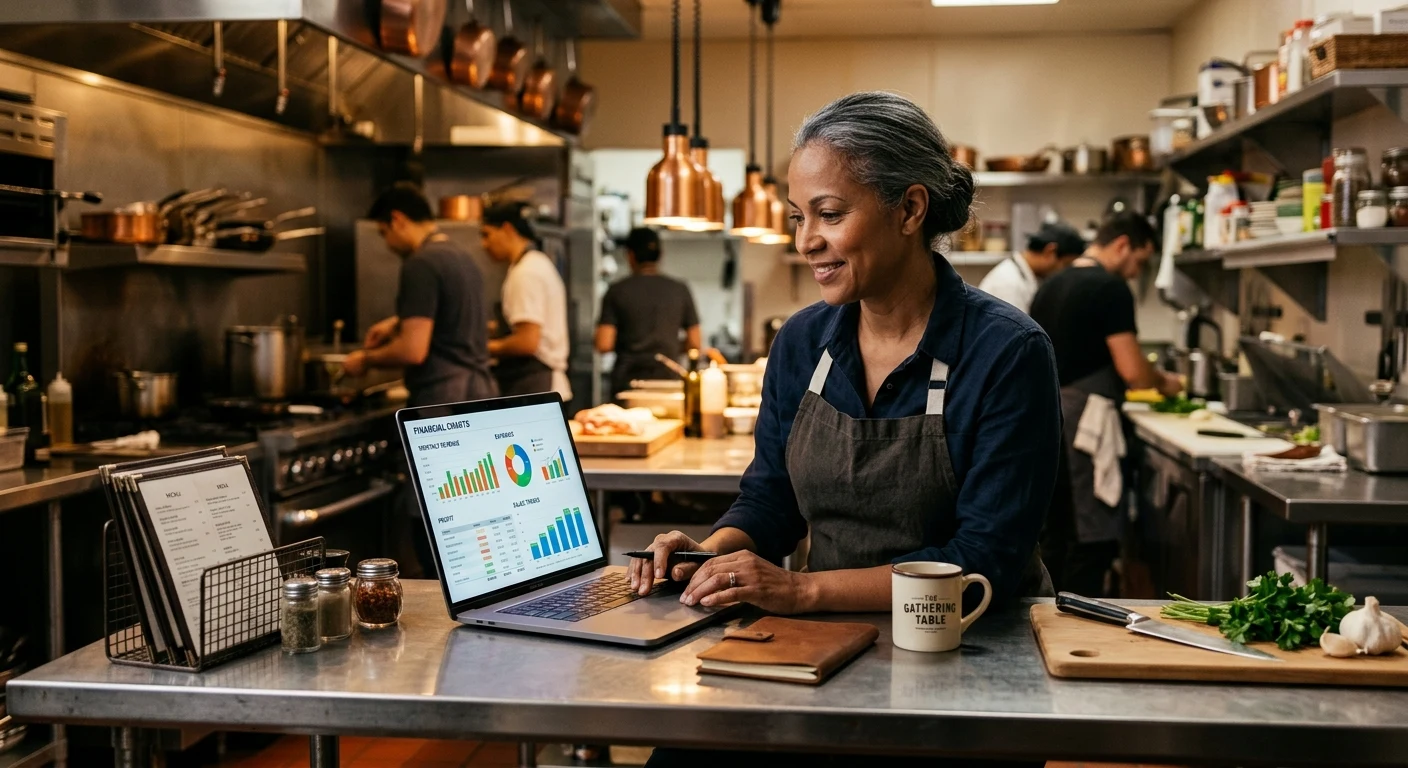
Increase revenue
How do I increase my revenue?
Same customers, same kitchen, same hours — and more of the money actually reaching you.
The short answer
There are two ways to increase revenue and only one of them costs money. Selling more is the expensive one. Keeping more of what you already sell — the commission, the error charge, the order that should have come direct — costs nothing but attention.
Most operators have never compared their published rate card against the alternatives the same platform sells them.
- DoorDash publishes Basic at 15%, Plus at 25% and Premier at 30% on delivery orders — and separately sells flat-fee delivery with no commission at all.
- Error charges are deducted directly from merchant payouts, at between 25% and 100% of the item price plus tax.
- A typical restaurant ran a pre-tax margin of roughly 5% before the pandemic, so a few points of commission is not a rounding error.
- Orders reaching Shopify stores from AI search grew 15× in twelve months, from a small base.
Where it actually comes from
Eight places the money stops short
Every one of these is measurable against your own statements rather than an industry average.
 Why is my payout lower than my sales?
Commission, error charges, ad spend and fees all come out before the money reaches your bank. You have days, not months, to dispute any of it.
Why is my payout lower than my sales?
Commission, error charges, ad spend and fees all come out before the money reaches your bank. You have days, not months, to dispute any of it.
- Match each payout to the deposit
- Find what was deducted, and why
- Dispute inside the 14 or 30 day window
- Confirm the money actually arrived
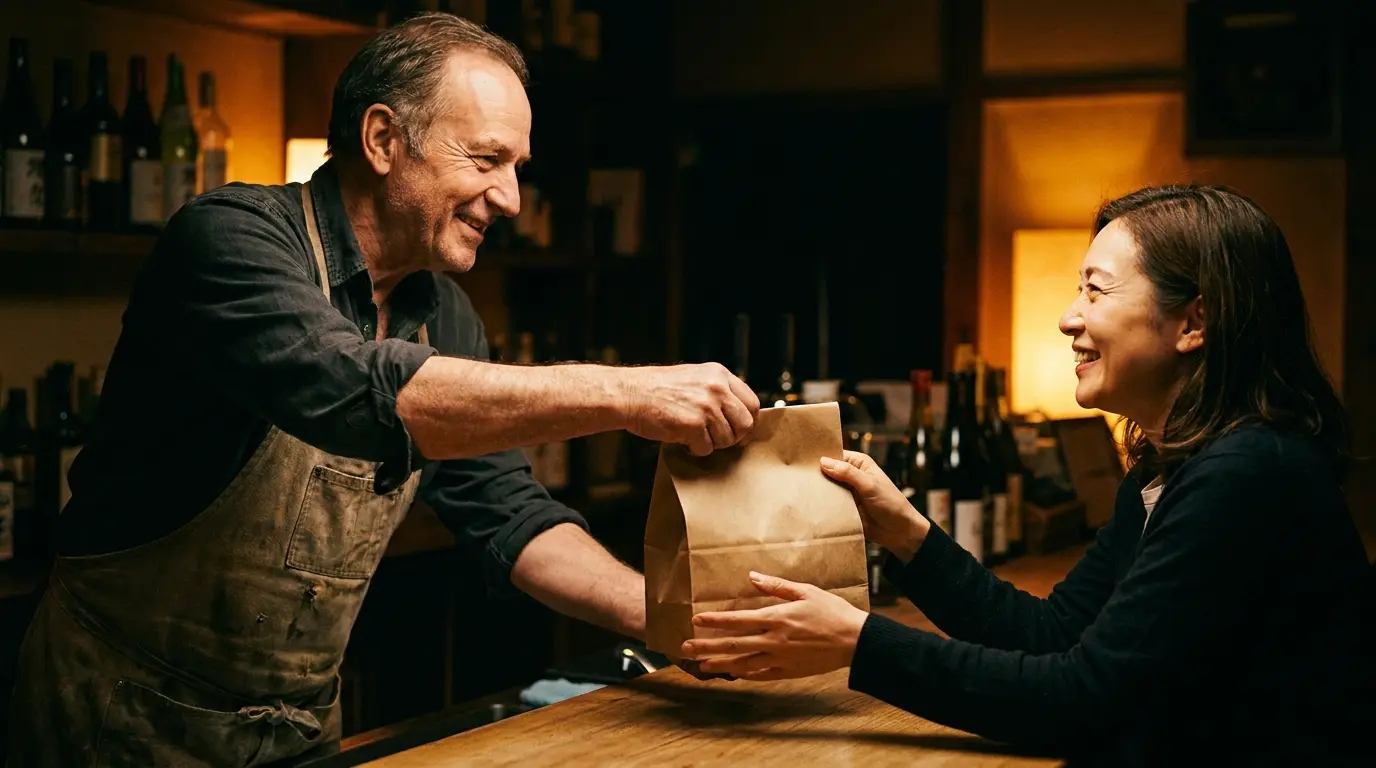 How do I get customers to order directly?
Discounts mostly do not move people off the apps — they are paying for convenience. Being easier than the app is what works.
How do I get customers to order directly?
Discounts mostly do not move people off the apps — they are paying for convenience. Being easier than the app is what works.
- Fix where your listings send people
- Ordering on your own site
- Paid into your own account
- Delivery without the commission
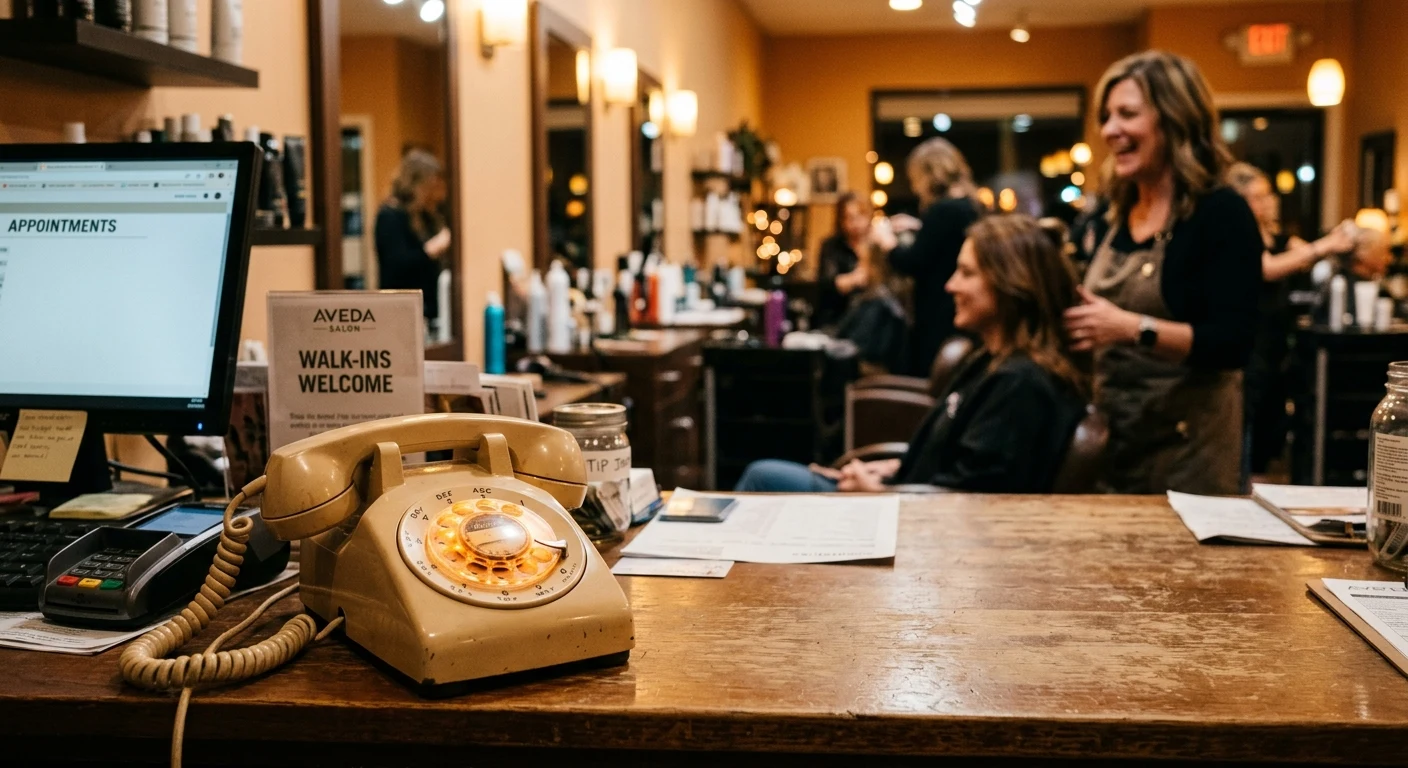 How do I stop losing jobs to missed calls?
The phone goes when your hands are full. By the time you ring back, they have already called someone else.
How do I stop losing jobs to missed calls?
The phone goes when your hands are full. By the time you ring back, they have already called someone else.
- Every call answered, not just logged
- Books the job instead of taking a message
- Sends urgent ones straight to you
- Hear it yourself before you decide
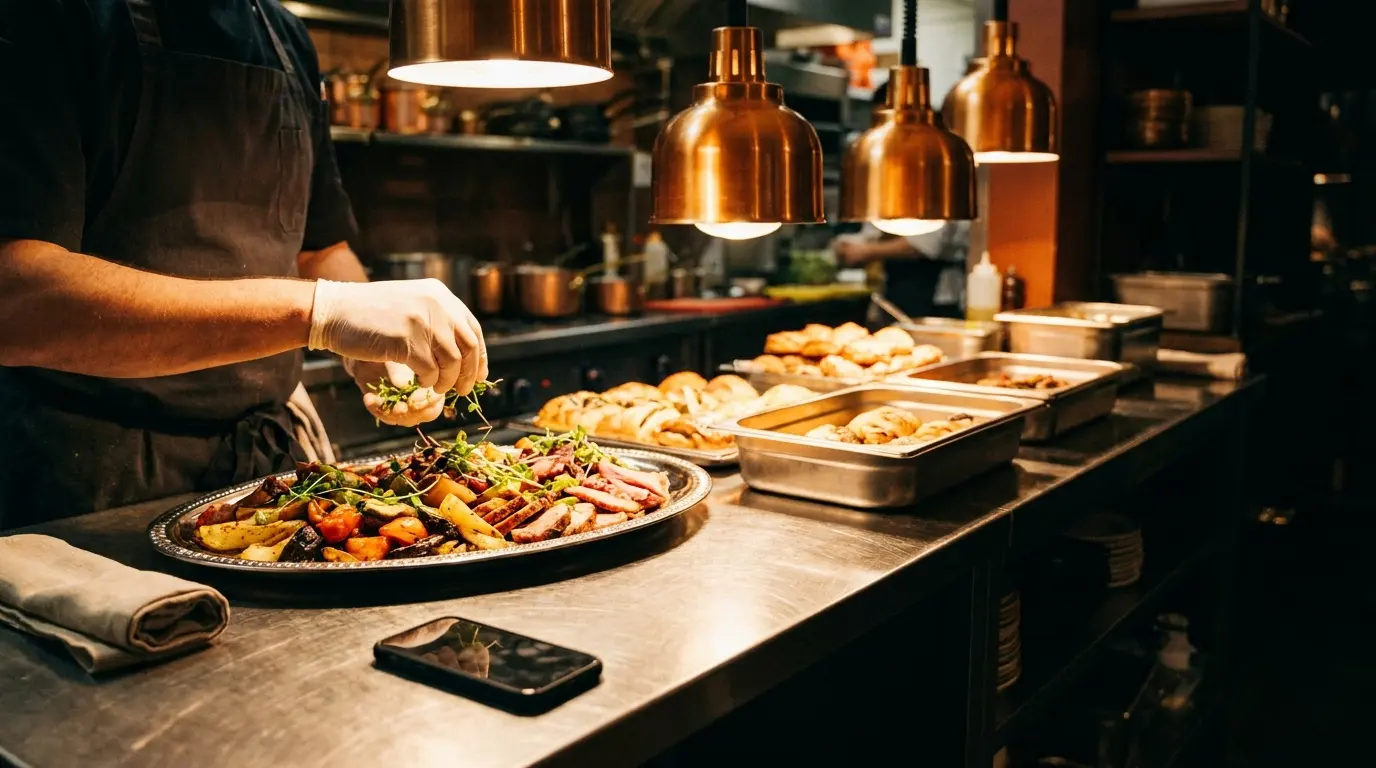 How do I get more catering orders?
Catering pays better than a table and a third of it is wanted inside a day. The call still lands in the middle of service.
How do I get more catering orders?
Catering pays better than a table and a third of it is wanted inside a day. The call still lands in the middle of service.
- Answers while you are on the floor
- Quotes from your real catering menu
- Captures the date, headcount and budget
- You approve before anything is confirmed
 How do I bring past customers back?
Some of your easiest customers to win are people who already chose you once.
How do I bring past customers back?
Some of your easiest customers to win are people who already chose you once.
- Find customers who stopped coming
- Automate win-back campaigns
- Personalize the message
- Bring them back without starting from zero
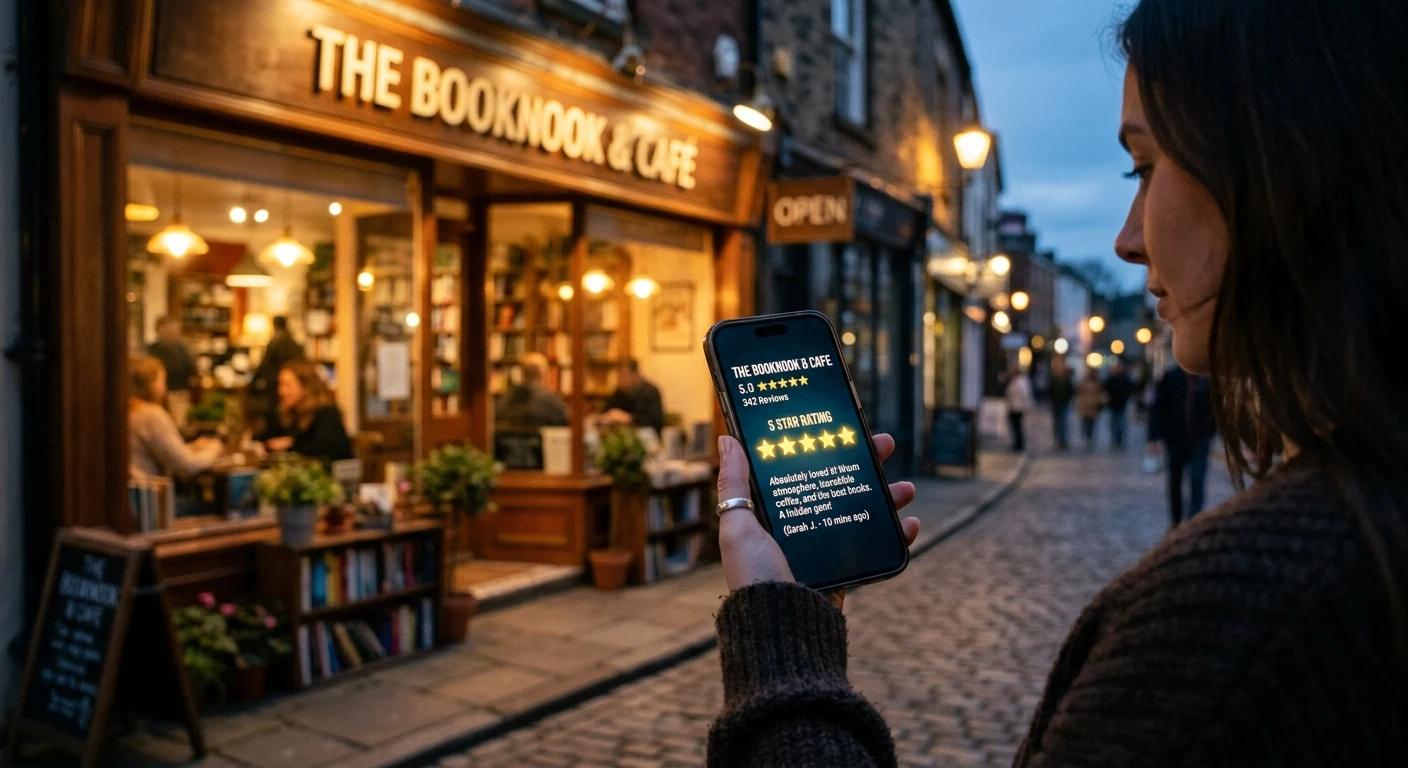 How do I get more Google reviews?
Your customers are happy. They tell you so. Almost none of them ever write it down where a stranger can see it.
How do I get more Google reviews?
Your customers are happy. They tell you so. Almost none of them ever write it down where a stranger can see it.
- Ask at the moment the job is done
- Follow Google’s rules — and Yelp’s opposite ones
- Spot the complaints that keep repeating
- Reply without it eating your week
 How do I reduce DoorDash fees?
Every plan has a published rate, and most operators have never compared theirs against the flat-fee options the same companies sell.
How do I reduce DoorDash fees?
Every plan has a published rate, and most operators have never compared theirs against the flat-fee options the same companies sell.
- What each plan actually charges
- The flat-fee alternatives, per order
- Whether your city caps the rate
- What the channel nets on your ticket
 How do I get my business to show up in ChatGPT?
People now ask an assistant for a recommendation instead of searching. Whether you come up at all depends on what these systems can understand about you.
How do I get my business to show up in ChatGPT?
People now ask an assistant for a recommendation instead of searching. Whether you come up at all depends on what these systems can understand about you.
- See how assistants describe you now
- Fix what they get wrong or miss
- Skip the tactics that do nothing
- Be ready when they can buy for the customer
Who does this
What SidRatnam.com does about the gap
SidRatnam.com reconciles what a business sold against what it was actually paid, identifies the commission and error charges that are recoverable or avoidable, and builds the direct channels that do not carry a platform rate at all.
What that includes: a reconciliation of recent payouts against orders, a comparison of your current platform plan against the alternatives that platform publishes, and an honest read on which of your sales could move direct.
What it contributes to: a larger share of the same sales arriving in your account.
Live today
Evidence
What the research actually says
Every figure carries its source, date, the population it was measured across, and whether it is an observation or a projection.
DoorDash publishes its own rate card: Basic 15% on delivery orders, Plus 25%, Premier 30%, with 6% on pickup across all three. Its Storefront product for orders placed on your own site is 0% commission — you pay only card processing of 2.9% + $0.30 (or 3.3% + $0.30 on the Starter package).
observed DoorDash, Merchant Fees & Pricing, and Commission and Fees Explained
checked 20 September 2026 · US DoorDash merchant plans · current published rates
DoorDash also sells delivery without commission: Drive On-Demand is “a flat delivery fee per order, no commission rates”, published at $6.99 to $10.99 per delivery. Its developer documentation for Drive Classic states a flat $7.00 per delivery plus customer tip.
observed DoorDash, Drive On-Demand product page and Drive Classic developer docs
checked 20 September 2026 · US DoorDash Drive · current published rates
DoorDash deducts error charges directly from merchant payouts, at “between 25% to 100% of the applicable item price + tax”, and gives merchants 14 days from delivery to dispute one. Customer reports made more than 72 hours after delivery are absorbed by DoorDash rather than the restaurant.
observed DoorDash, “Understanding Error Charges and Disputes”
checked 20 September 2026 · US DoorDash merchants · current policy
A typical restaurant ran a pre-tax profit margin of roughly 5% before the pandemic. 42% of operators reported their restaurant was not profitable in 2025, while total expenses for an average restaurant rose 36% between 2019 and 2026.
estimated National Restaurant Association, “Elevated costs continue to pressure restaurant profitability”
8 July 2026 · US restaurant operators · 2019–2026
The other four
Most businesses arrive with one of these
Start with your numbers
The free analysis looks at your actual business and comes back with a short list of opportunities ranked by what they would genuinely be worth to you.